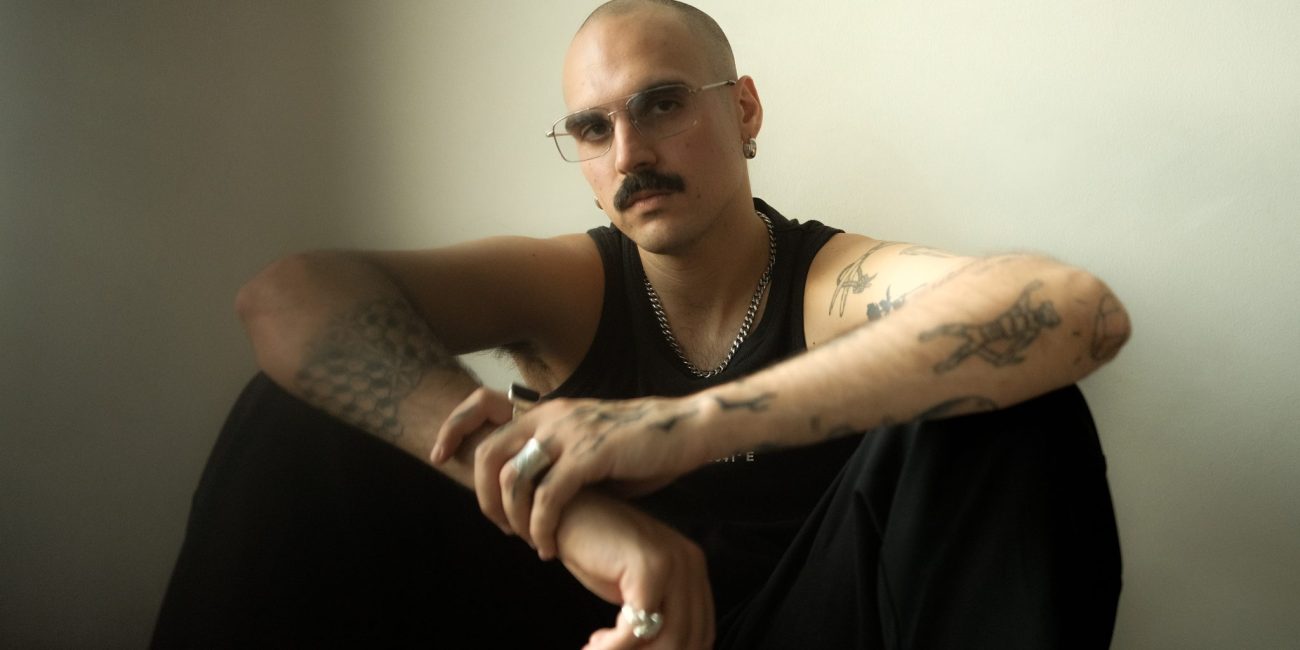
By Alexander Cheves
Berlin-based DJ and producer Kashpitzky is telling me about his sister, a voice teacher and actress, when he says he can give me a big “scoop.” I say that’s a loaded word. I’m a reporter; I love a scoop.
“Okay, maybe it’s not the juiciest scoop,” he says. “But it’s something nobody knows about me.”
Until age 16 or 17, Kashpitzky dubbed cartoons. As a kid growing up in Tel Aviv, he lent his voice to Hebrew-language versions of popular children’s TV shows. He says he voiced “talking farm animals” and, once, a show’s main character. He won’t say which one, but it’s a “famous” one many people would know.
Did he ever watch the shows he dubbed? Nope, never.
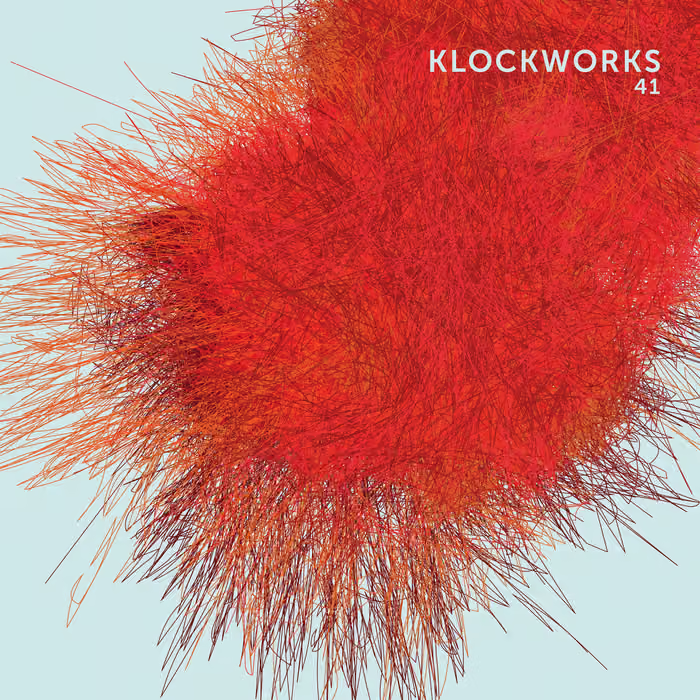
Now 30, Kashpitzky celebrated a milestone in his career this year: last March saw his debut on Klockworks, Ben Klock’s label.
His newest EP, Crossing Paths, came out in April on Shlomi Aber‘s label Be As One and breaks from his signature peak-time techno, involving strings and elements of classic Detroit soul.
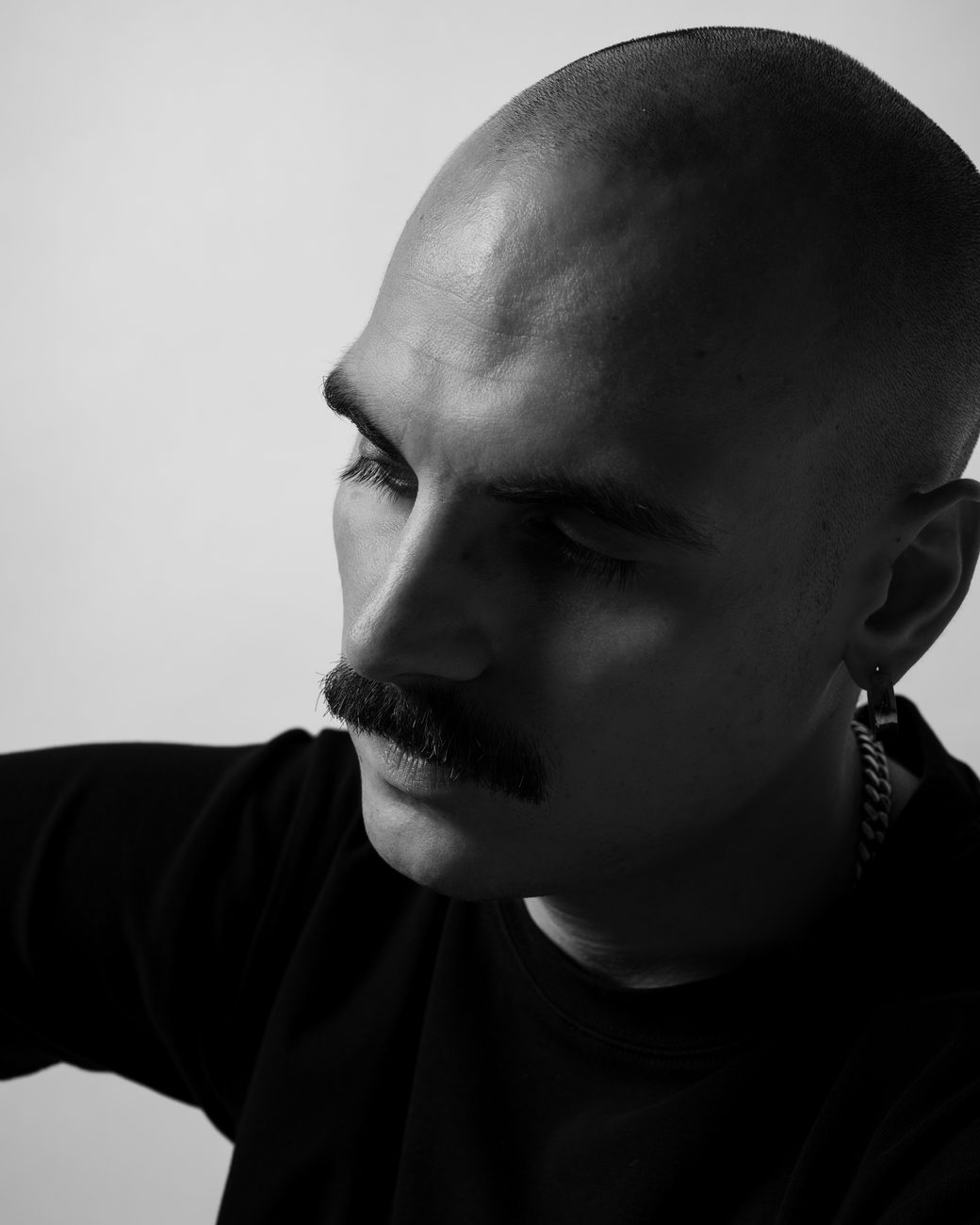
I first met Kashpitzky at a friend’s house party. His first name is Guy, and his last name and artist name are the same. “It’s an easy artist name. It’s just me.”
That first chat “was either a birthday or a Christmas thing,” he says; neither of us can remember which. We talked about our tattoos.
The second time we met was at a smaller thing, maybe five people, where “it was easier to focus on each other,” he says, “and actually talk.”
We decided to continue that talk here at Hinterhaus.
Tell me about growing up.
Kashpitzky is the youngest of three, with two older sisters, 11 and 14 years older than him.
His middle sister is “a full-time musician,” a voice teacher and stage actress who still dubs cartoons today. She’s how he ended up in a dubbing booth. “She got me there.”
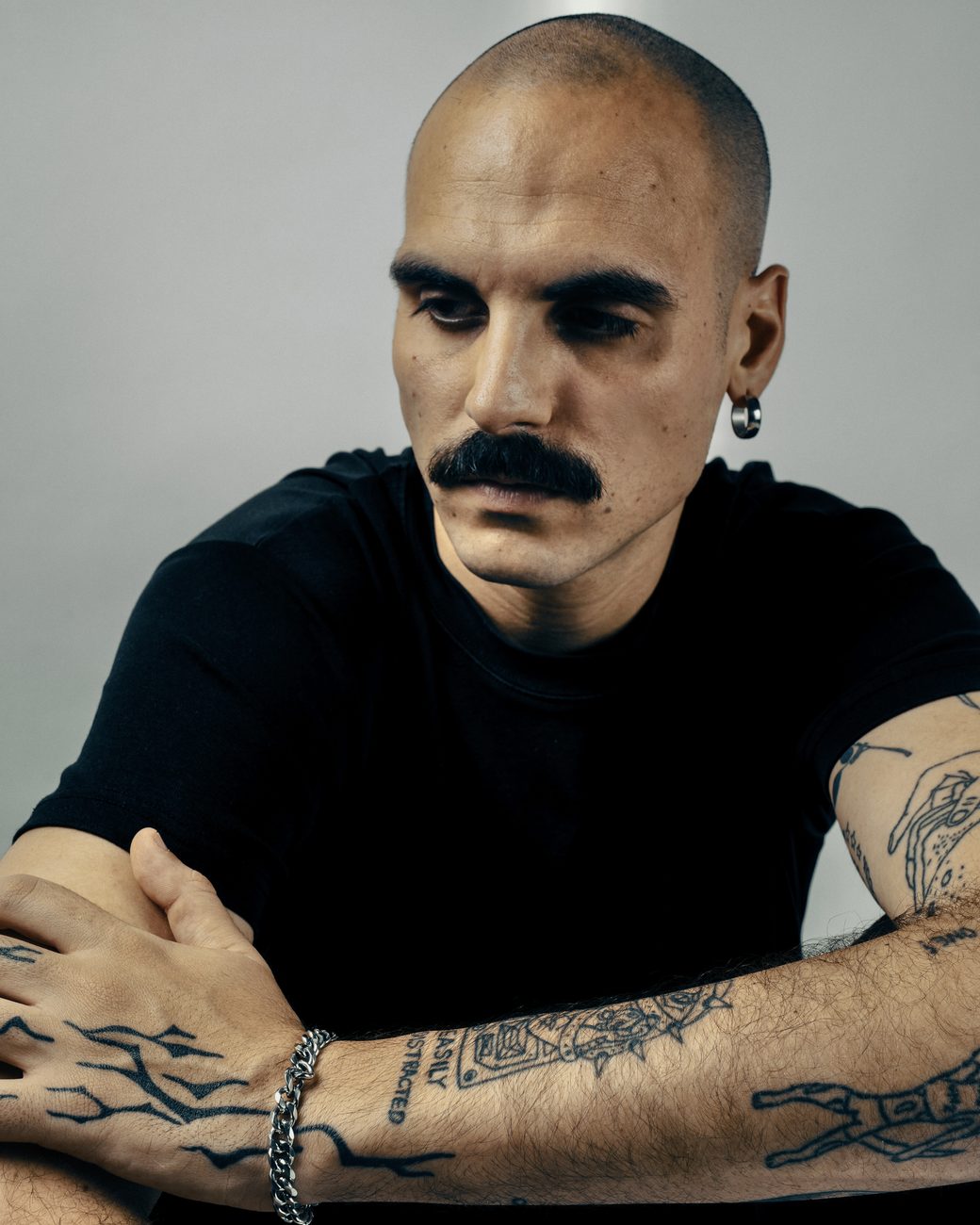
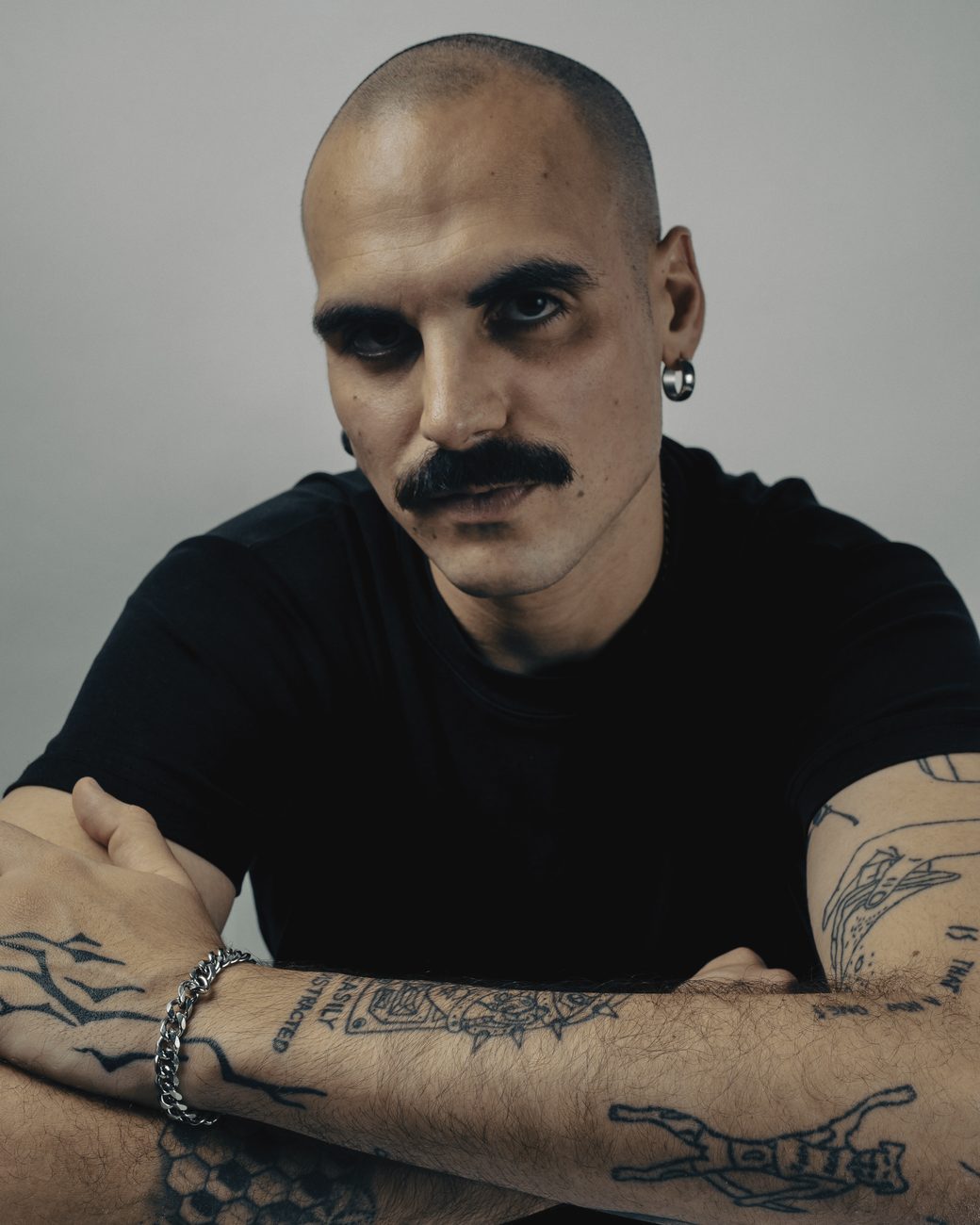
The rest of the family is “a music-positive environment.” His mom plays many instruments and his dad, who works in finance, sings in a local choir and plays the accordion.
“They all have music around them all the time,” he says.
His family is close, literally: they live near each other in Tel Aviv and spend a lot of time together. He gets homesick often and follows their activities from Berlin via the family group chat.
“Every day I see photos. They’re together,” he says. “And I get family FOMO.”
I hear you were once in a metal band. Tell me about that.
He smiles at this. Kashpitzky started playing guitar at 6. At 13, he started a band with some school friends which lasted until he was 18.
At first, he was the singer, screaming what he calls “childish lyrics” into the mic.
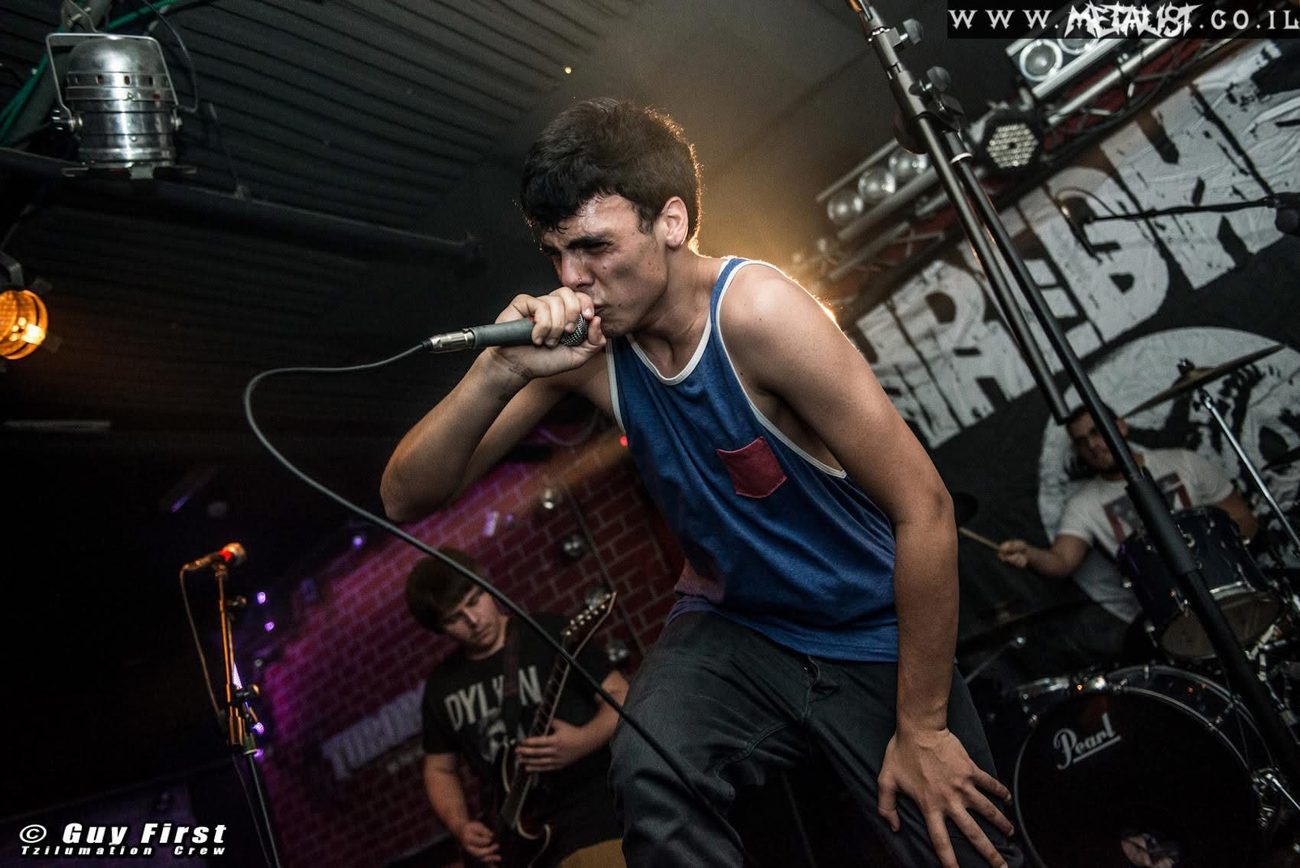
We were just kids, punk kids that wanted to make noise.
As the sound grew, the band found a proper singer. Called The Capital, he says the band still has music on YouTube.
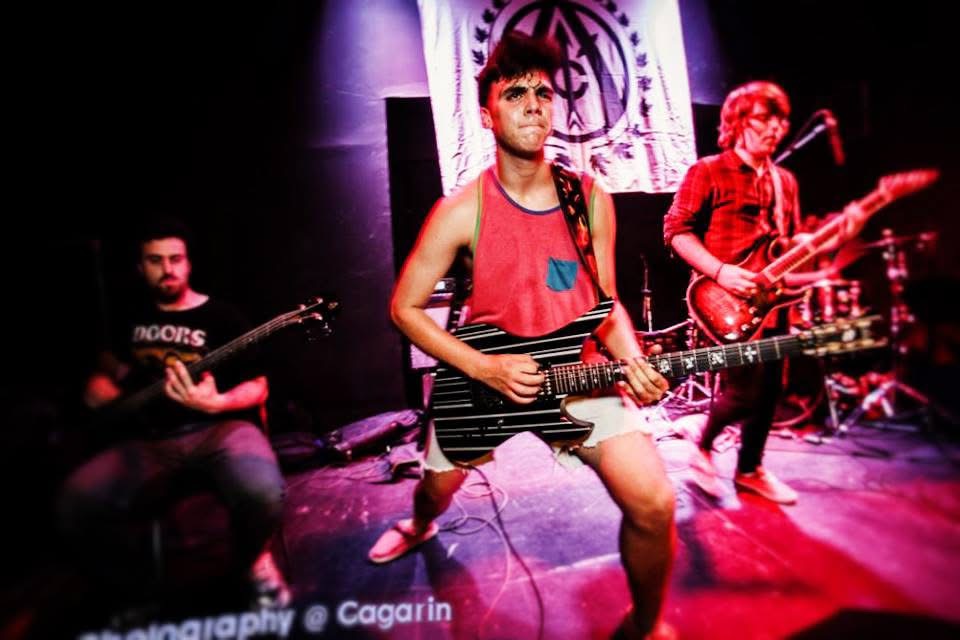
How does it sound to him now? “It honestly sounds very defined for 17-year-old kids doing metal. It’s pretty solid, actually.”
He can hear his metal band memories in the music he makes now.
In my music, you can still hear the roots of punk, the distortion, the wildness. I can’t ignore that past. Even if I wanted to hide it, I can’t. It’s in me.
Metal and punk are angry genres, I say. Was he an angry kid?
Not at all: “I was always light. I tried to be a funny, good child. I was not angry at anyone.”
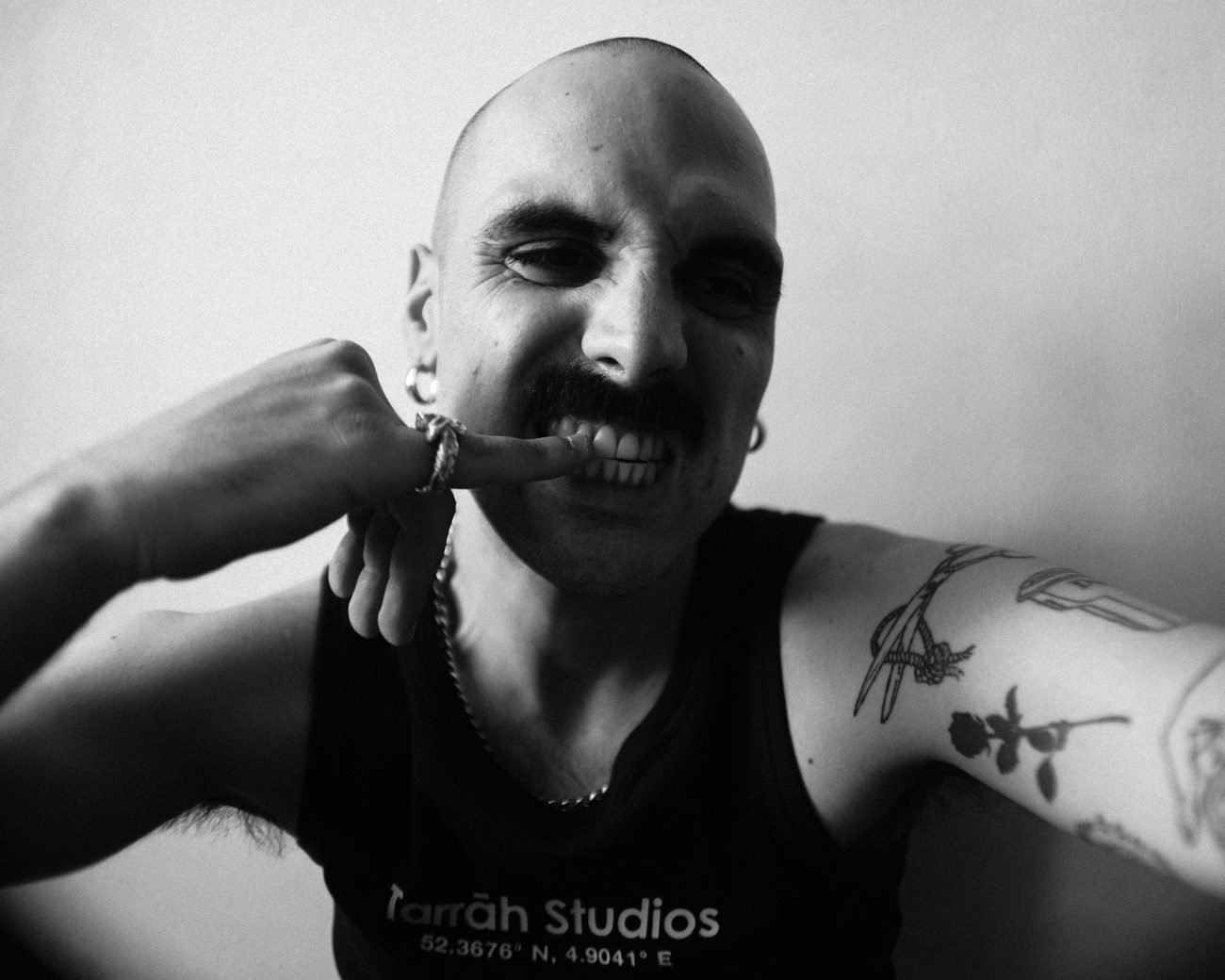
Why angry music, then? In his mind, he shifted the rage into something positive: “It honestly felt like therapy.”
I don’t care if a singer hates his government or hates his school or hates his boss. In my mind, I shifted the hate towards music. You have to hate conventions in music to make metal.
Would he do it again? Sure, if he found the right bandmates and the right vision, and if the music, now, could edge more toward electronic. He loves DJing, and seeing people connect while he plays is “what I live for.”
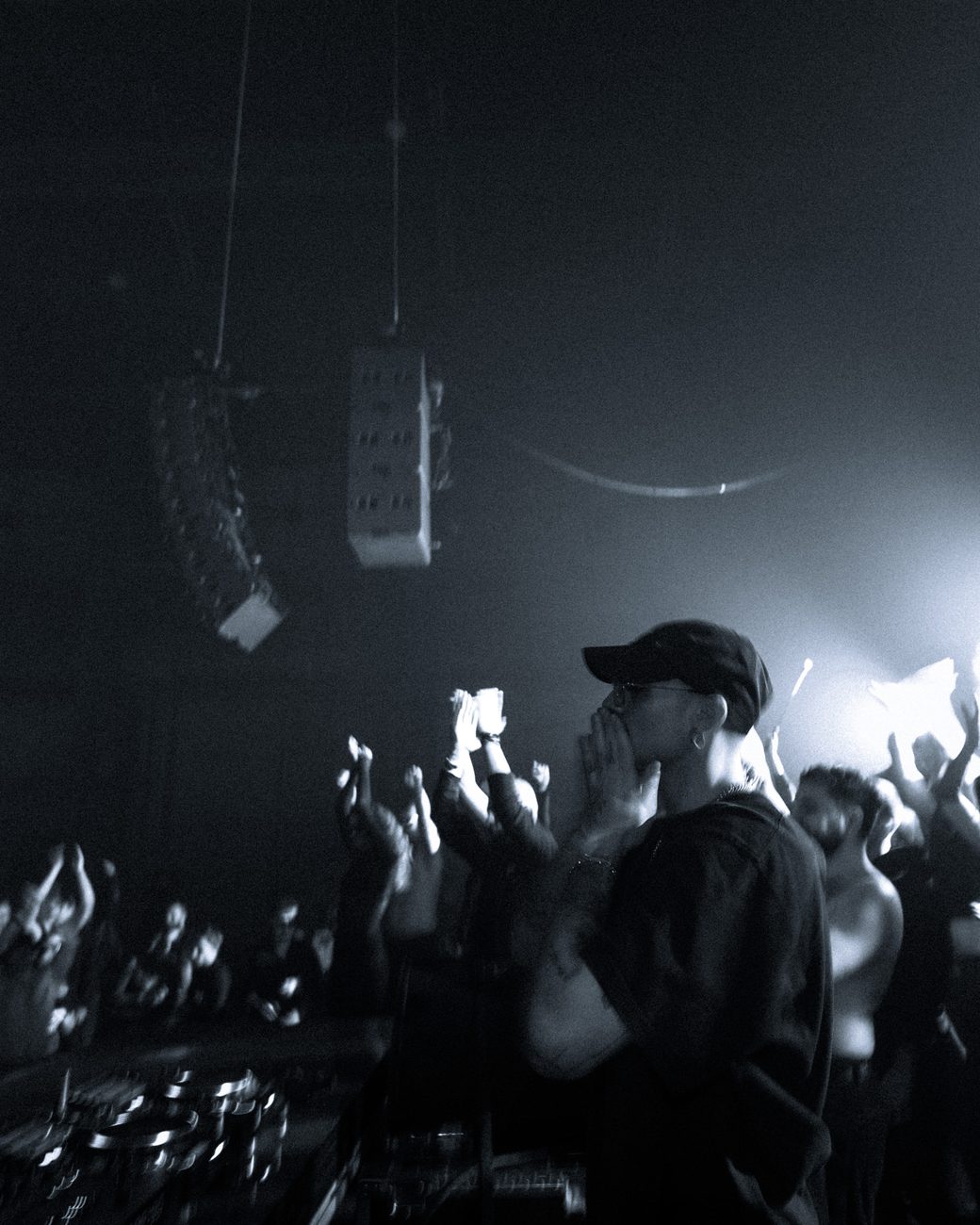
Even still, nothing compares to “when I perform live with amplifiers behind me, with a guitar, and with people doing wild.”
How did you start making electronic music?
He started going to clubs at 17. By then, he was already certain he wanted to DJ. Back then, he says, information about club culture “was really underground. Nothing online like it is now. You just had to go out and be in it.”
He started playing quickly. “Before I was even allowed to drink alcohol, I was already playing in clubs.”
By 18, he had a residency at Tel Aviv’s Bootleg Club. Part of that job meant booking artists.
“I was so young, so hungry. I made sure visiting artists had the best time in Tel Aviv. I took them to restaurants and made sure they had a good night, a good weekend. Yeah, it was to push my own career too, but also to learn. To make the real connections and learn everything I could from these people.”
What does your family think about your chosen career?
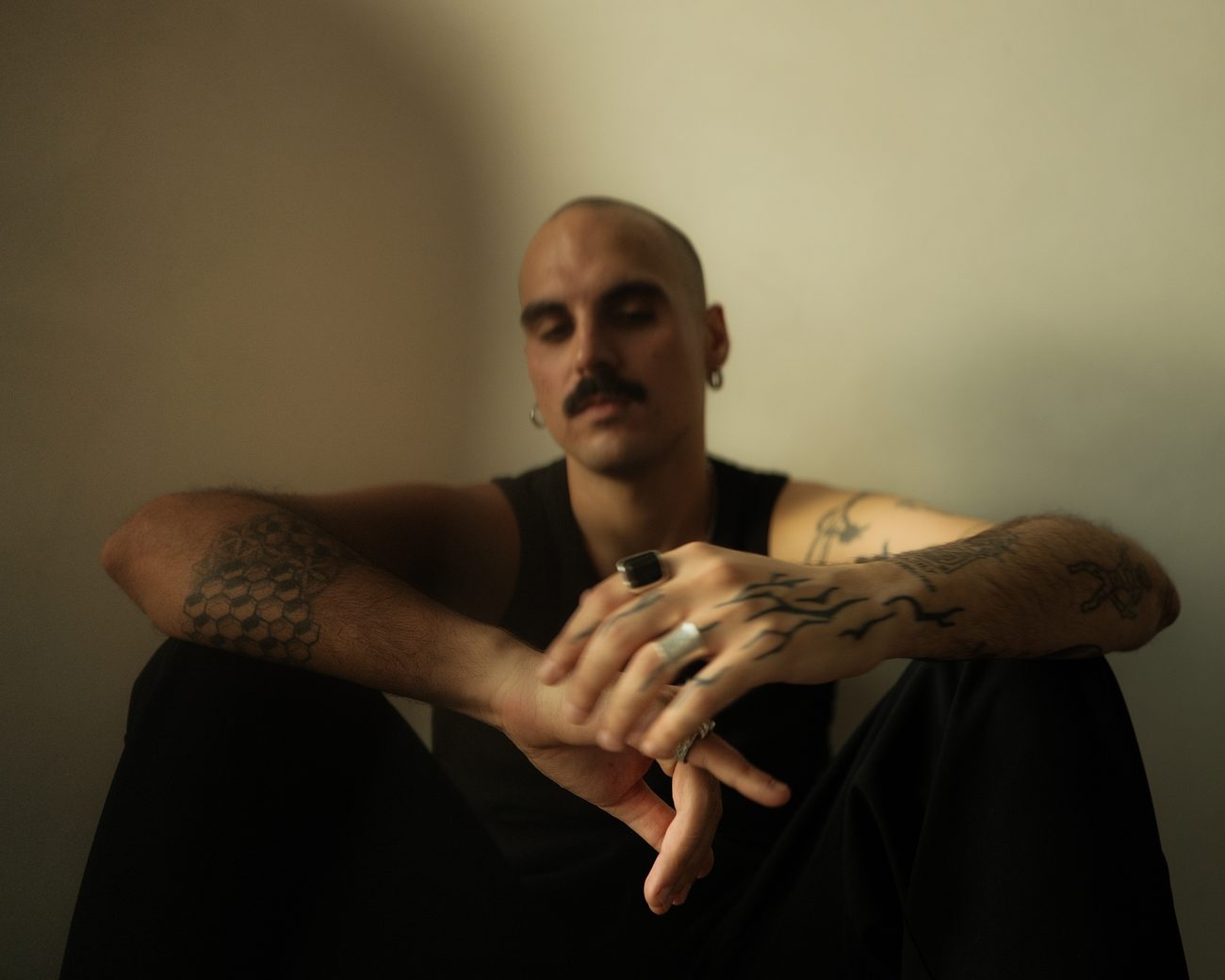
“They see I’m doing work that fulfills me,” he says, “and they are 100 percent supportive.” His parents, he says, are “a bit conservative, but they are adapting.”
“They always adapt. They’re not stubborn or stuck in this old-school education. They realize the world is changing. Yeah, they imagined I’d be a lawyer, but now they see I’m doing something else, and I’m happy. I make other people happy. This is all they care about. Big shout-out to them for that.”
Crossing Paths doesn’t sound like your other records. Tell me about it?
It’s dubby, with strings, and “so much more connected to the origins of the genre. Not modern at all, and not dark.”
Listeners who “know his roots will understand it right away,” he says.
Is he worried about losing fans who recognize him for a different kind of music? To this, he just shrugs:
We are artists. We have to shift all the time. We have to move. We have to change. We have to explore.
His roots, he says, are in early Detroit techno: Underground Resistance, Robert Hood, Carl Craig, Derrick May.
“I did my homework,” he says. “I learned the history of the genre, how it all started, and the technology they were working with back then, because it’s important for me.”
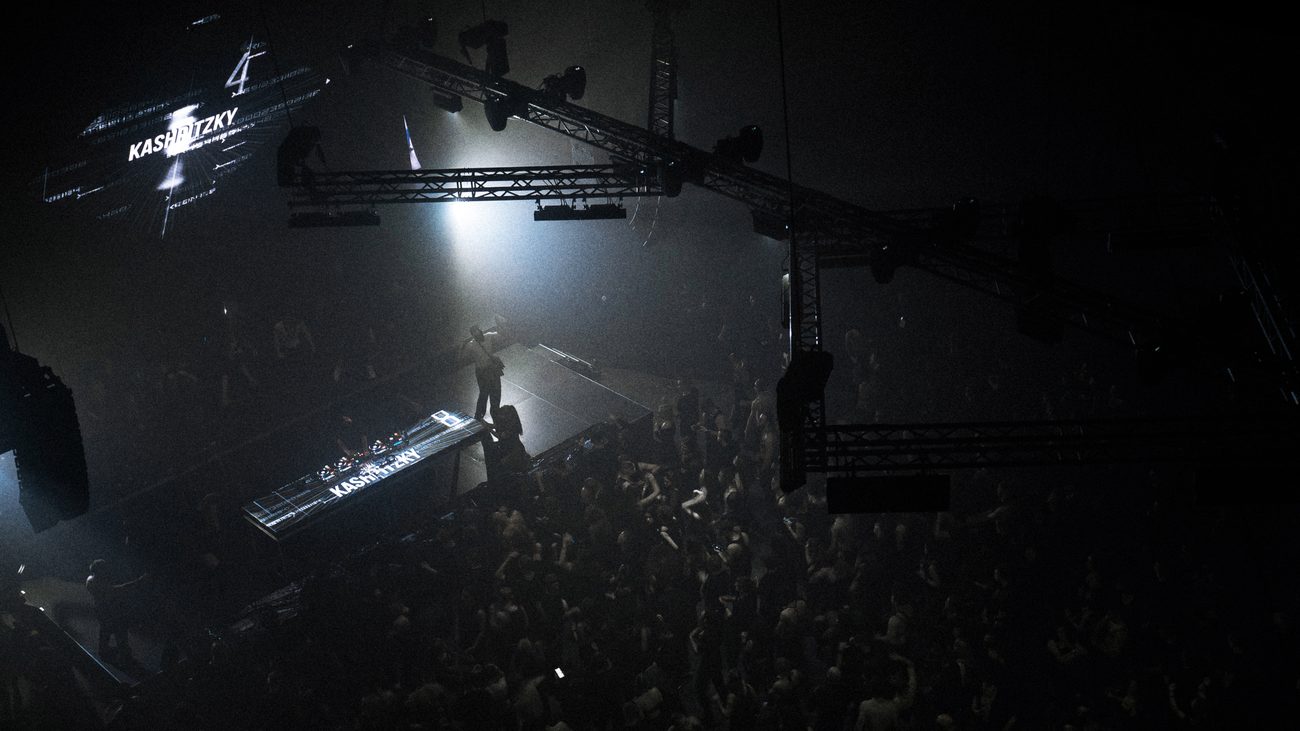
But producing in multiple genres has a cost. Promoters, he says, like one defined sound, so an artist is more predictable and can be more easily slotted into a lineup.
“It’s a fight in my head,” he says. “Do what you want and what you like, or do what they expect.”
Which one wins? He always comes back to the same belief, his north star, his resistance to expectation:
I never follow hype. Not in metal and not in electronic. Maybe it’s because I’m stubborn and like to do the opposite. I don’t know where it comes from, but I’m happy I’m like this.
What first brought you to Berlin?
Kashpitzky moved here in 2019 to study sound engineering at the SAE Institute. One of his diploma essays traced the evolution of dance music from disco to today.
Through COVID and online classes, he finished the degree. At the time, clubs were closed, so he learned the city’s culture through illegal nature raves.
Your debut came out in 2024. How do you feel about it now?
Romantic & Dead, a double vinyl, came out on Be As One in 2024, after four years of Kashpitzky releasing roughly two EPs a year on the label. It arrived as his career was climbing: weekend gigs in different countries and festival slots he’d wanted for years.
Sonically, it jumps from industrial to classic techno to breakbeat to IDM to 160 BPM drum and bass, with a cinematic intro that he says many DJs have since opened their sets with.
Romantic & Dead took eight months, which he says is slow for him.
“I’m very fast.” He’s still proud of it, which he says is rare, because “just one year passes and you already hate everything.” He isn’t ashamed of old work, not even his teenage metal, but he says it’s rare to still feel pride over something, and he still feels pride over Romantic & Dead.
Does Berlin feel like home?
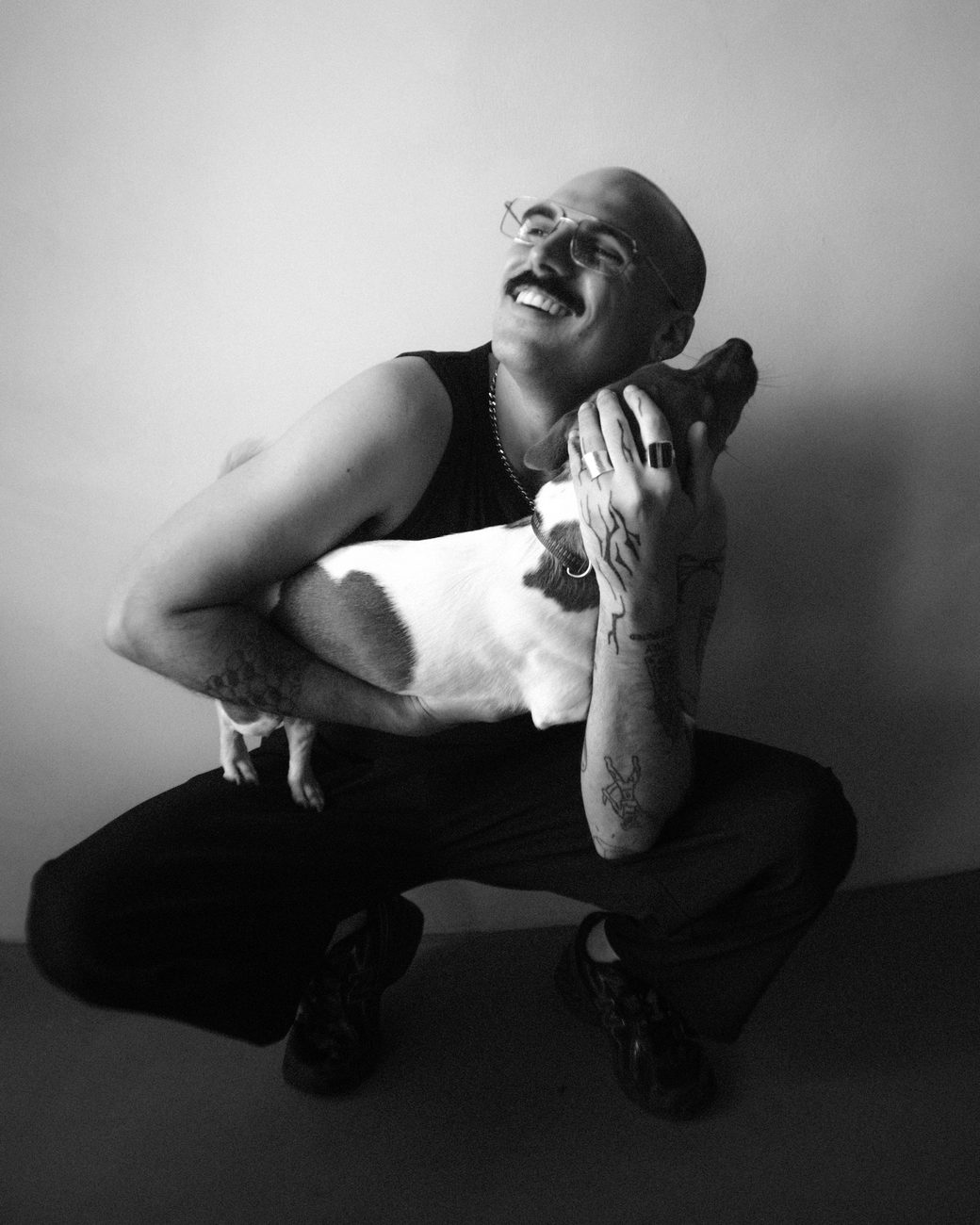
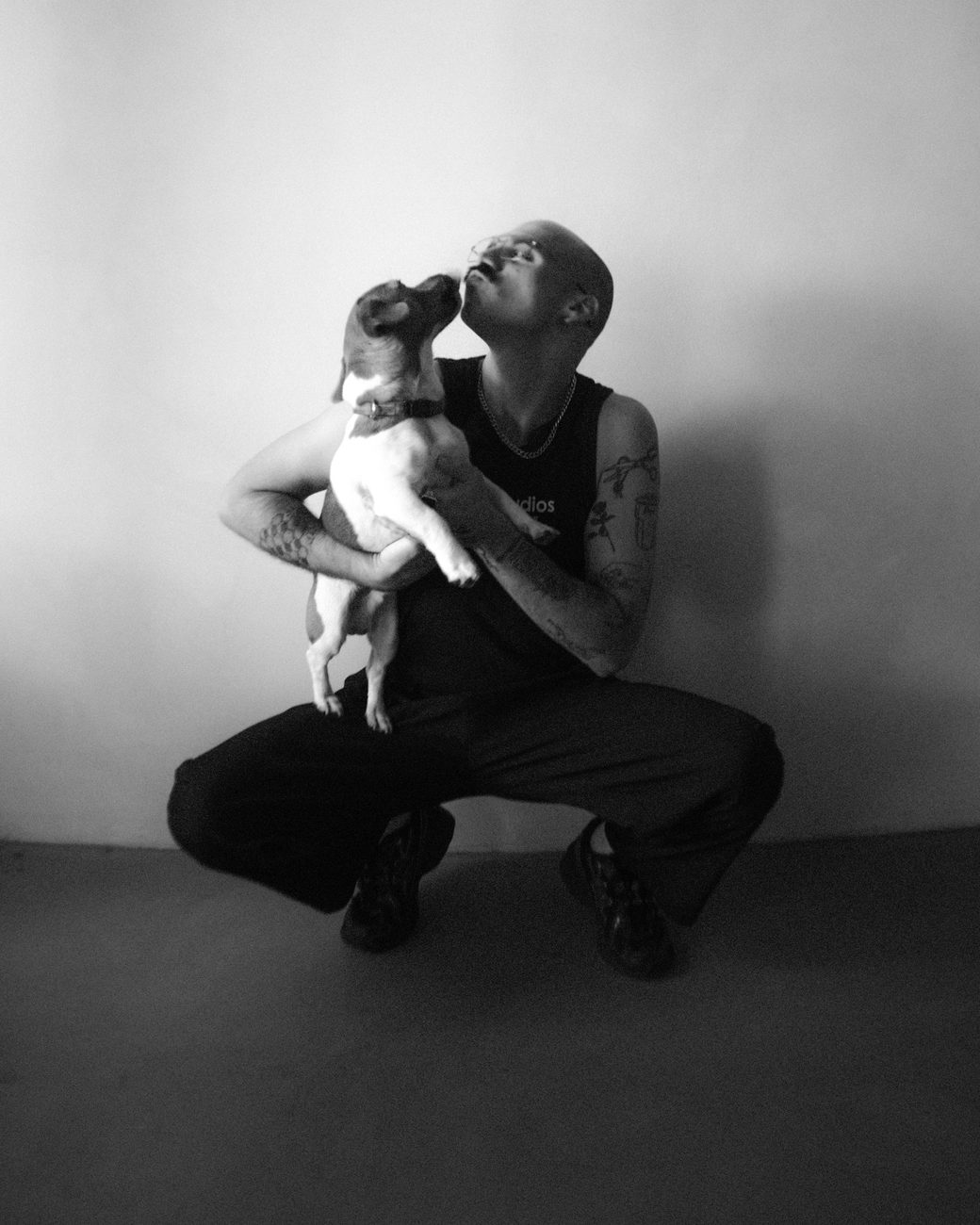
He’s been here 7 and a half years, but “home is a big word.”
Home is where I grew up, where my family is. No masks, no DJ persona. The people that know Guy, the kid, that’s home.
What does he miss about Tel Aviv? “Food and weather,” he says. “Sun, 25 degrees, the beach.”
The Tel Aviv he grew up in, he says, was “the parallel matrix of Berlin.” Top DJs came through so often that he rarely needed to travel to hear his heroes. At The Block on Purim (“basically Jewish Halloween”), DJs played four-hour sets across three rooms. Then the organizers spun a giant wheel to decide which DJ moved to which room next. “Crazy stuff went on in the city.”
The pandemic hit the clubs hard, and then the war. Tel Aviv nightlife now is smaller, mostly bars, he says, and mostly locals. “They’re fighting hard to keep their nightlife culture.”
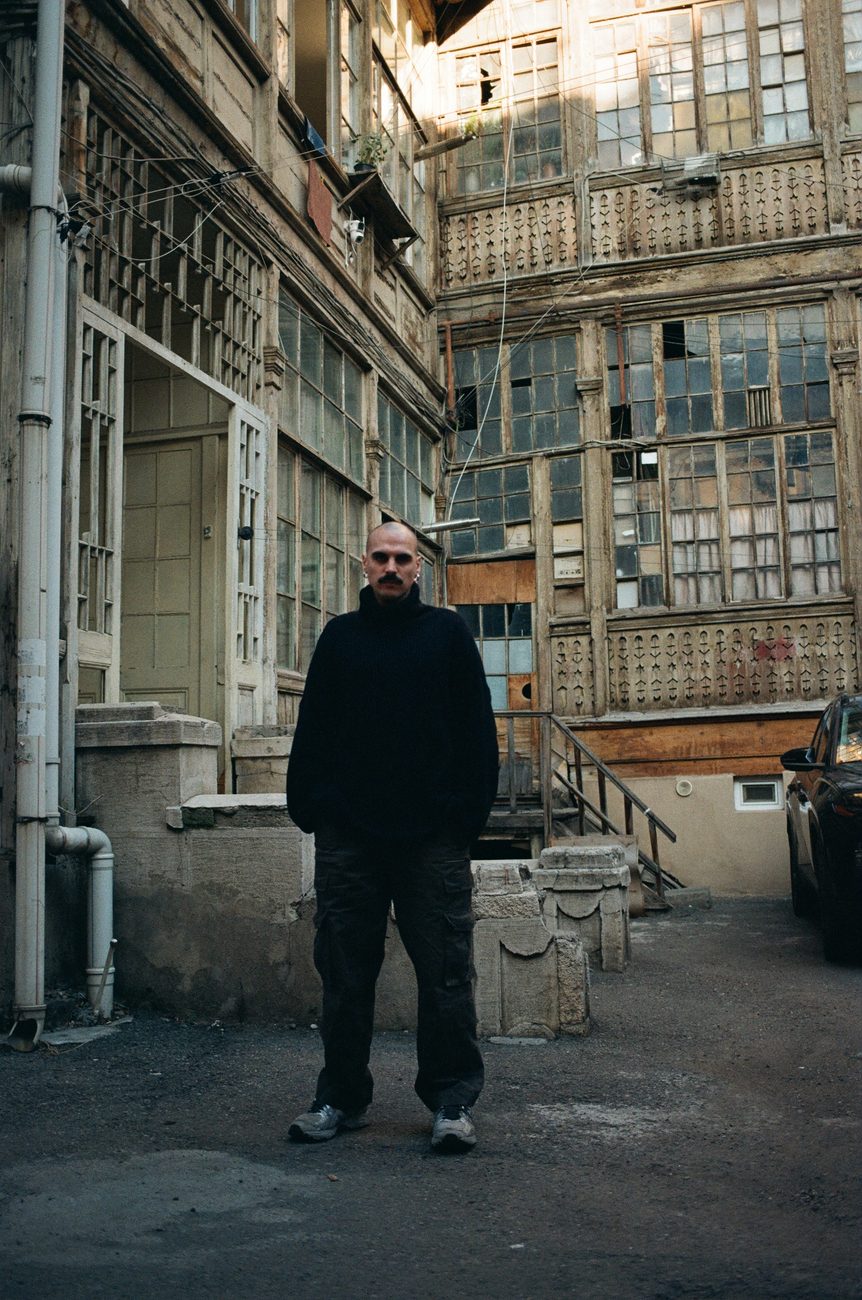
How has Berlin nightlife changed since you arrived?
The pandemic was a big shifting point. A generation came of age and missed the chance to learn the unspoken rules of being in a club: don’t cut the toilet queue, don’t push, don’t scream in someone’s ear on the floor.
Then Kashpitzky, hearing himself saying this, laughs:
Now look, I’m the old boomer standing with a cigarette at the bar, looking at the kids doing the TikTok thing. But that means I have a chance to teach them how to be in a club. And sometimes I do.
Some changes have been more serious and deeply worrying.
After the pandemic, he heard weekend after weekend about people getting spiked with needles in Berlin clubs. He hears about it less now, but he’s sure it’s still happening, and likely getting worse, and this scares him.
We have to face a fact. There are, actually, just bad people in the club.
(For more on this, read writer Cat Lewis’s recent piece on London’s drink spiking crisis.)
Who is the most inspiring person you’ve ever met?
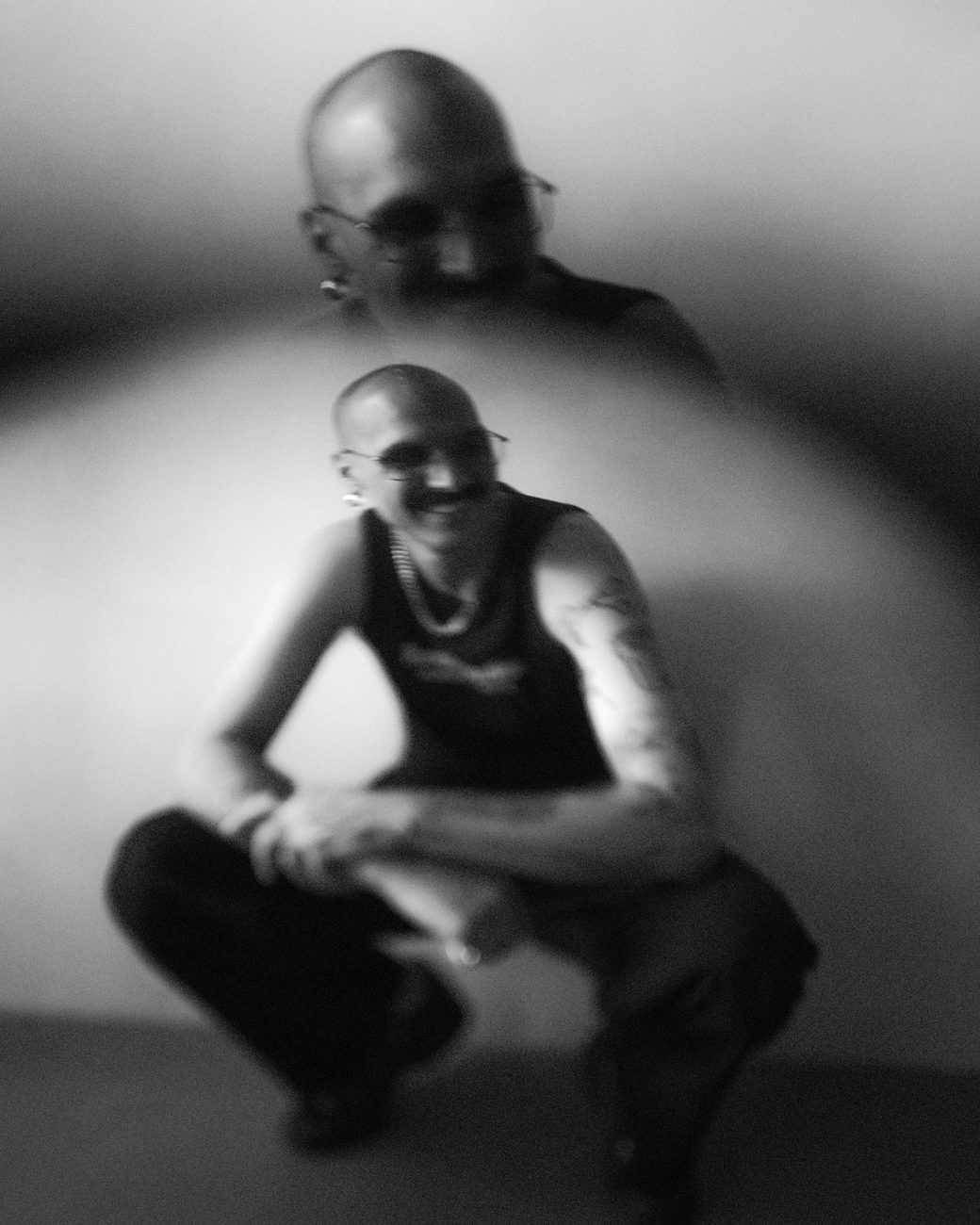
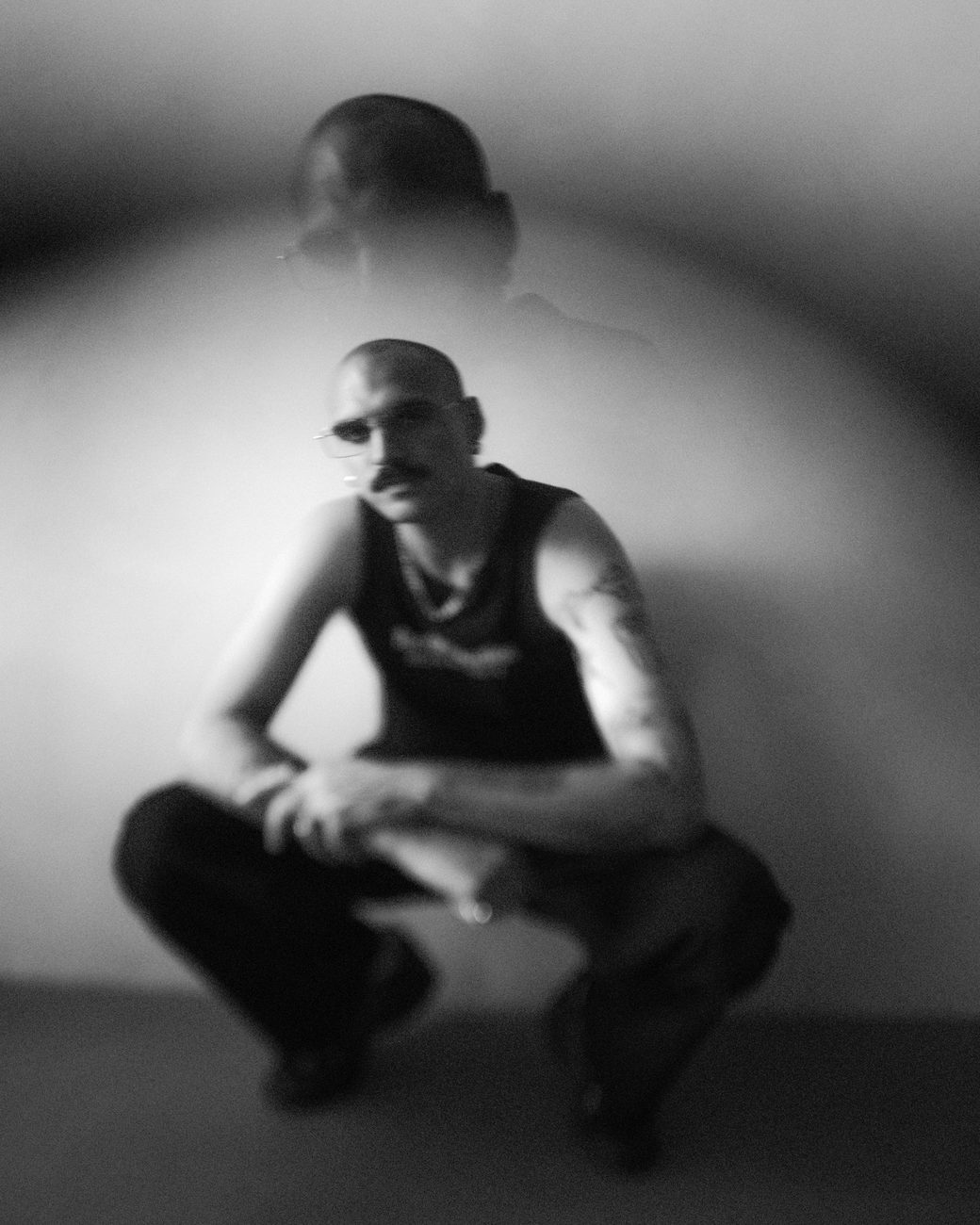
His grandfather. His grandfather was born in Poland and fled to Siberia at around 12. At 13 or 14, his grandfather fought against the Nazis “guerrilla style, in the forests.”
“He lost his brother and nearly all of his family. At the end of the 1940s, he arrived in Israel with nothing. And he was such a positive person, such a doer, someone to look up to,” Kashpitzky says. “When you mentioned his name, people responded with genuine respect, genuine love. I can only dream of people responding to me the same way.”
In high school, Kashpitzky did a family history project, sitting with his grandparents to hear their stories in detail and write them down. From his grandfather, he says, “I learned a lot about dedication.”
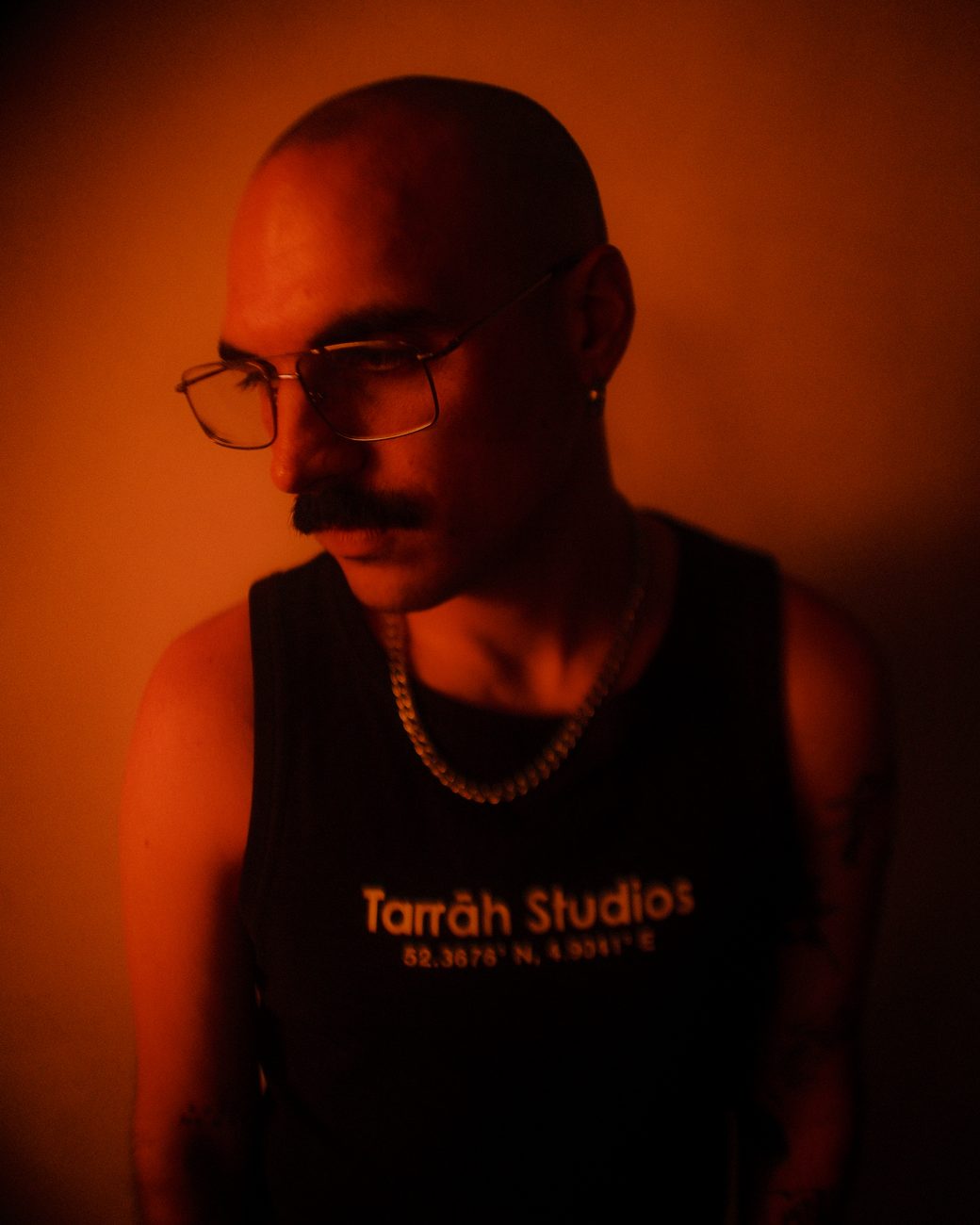
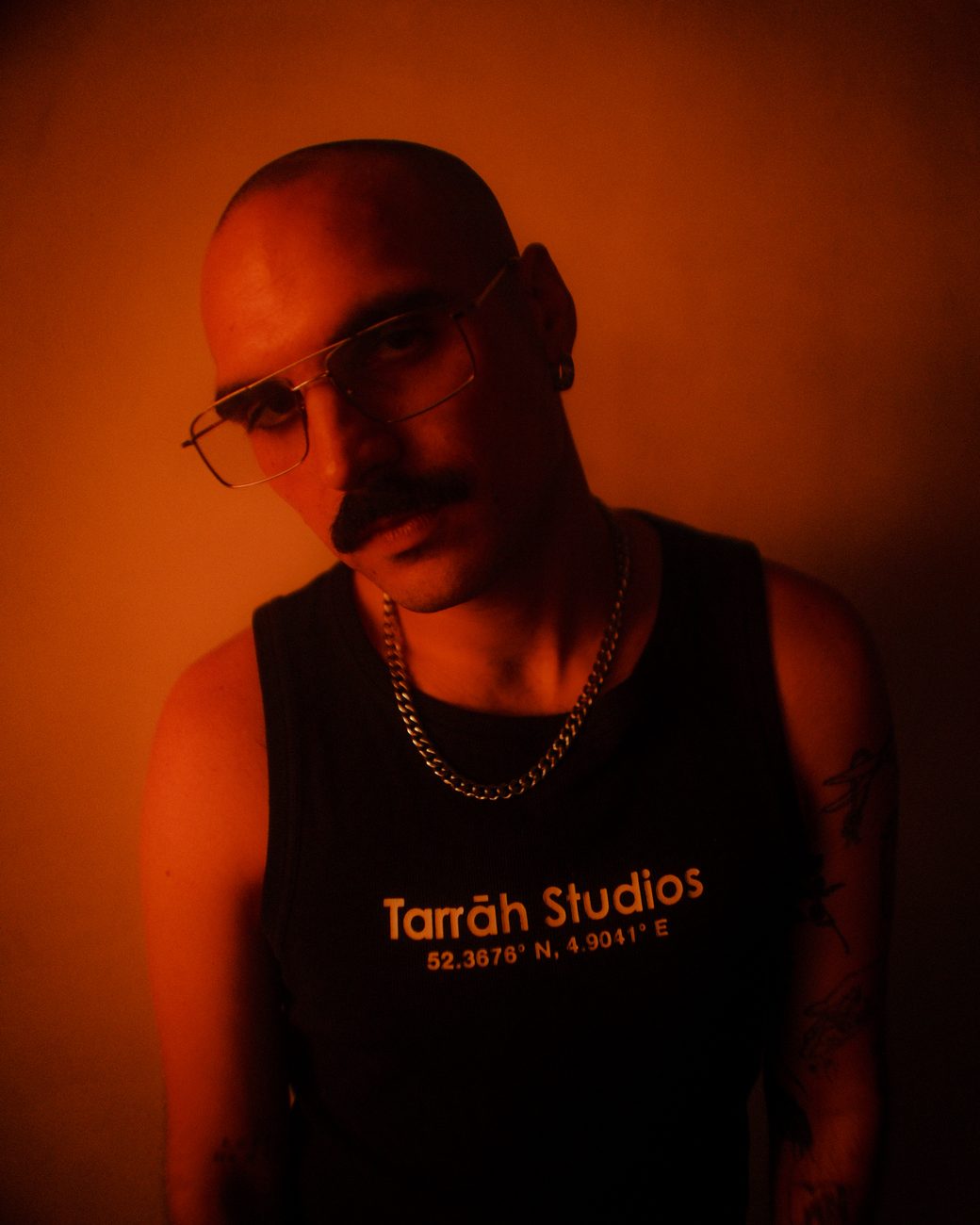
Saying it out loud now seems to surprise him. He thinks that, in another context, he would have given a different answer.
Now that you ask and I’m saying it, I see how much I looked up to my grandfather. If someone asked in the street or club, I’d probably say something stupid, like Aphex Twin. But this is the truth. It’s him.
He smiles. “You make me think about it.” ★
Follow Kashpitzsky on Instagram and listen to his music on SoundCloud and all streaming platforms.
Alexander Cheves is an author and essayist exploring sex, culture, art, and music. Winner of the Geoff Mains Prize and an NLGJA journalism award, he can usually be found dancing or working on his next book. Follow him on Instagram and visit his site.
Images: Mara Menzel with additional photos provided by the artist