


By Carla-Isabella Dunger
For a long time, MARGO didn’t call herself a DJ. This past May, the Serbian-born DJ and producer moved from Hamburg to Berlin, and her debut EP, with Café Soda Records, comes out on 6 November.
When I think of MARGO, I think of her laugh, warm and a little husky, a nice sound ringing through the backstage of a club. She lights up a room when she walks in.
“I think people hear me before they see me,” she says.

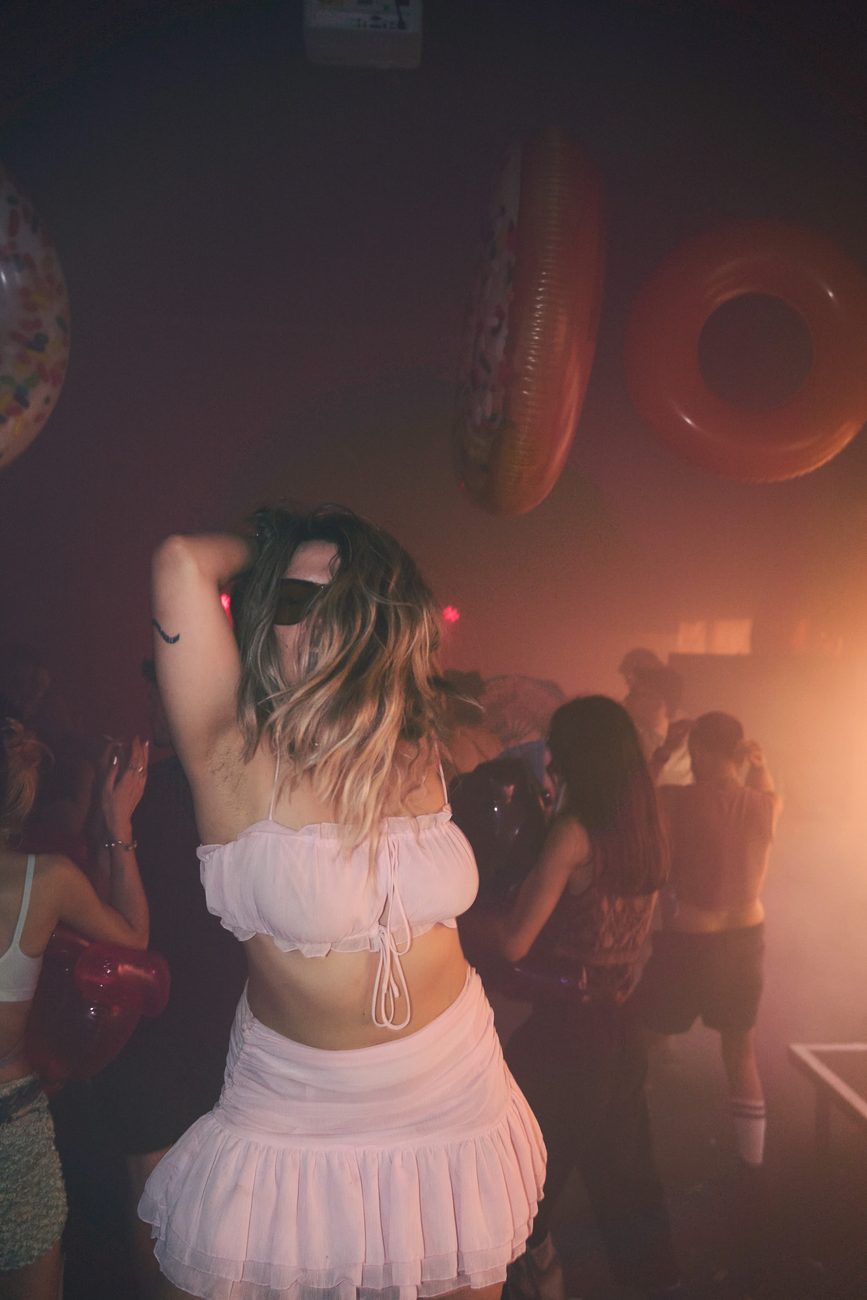
I’ve done a fair number of interviews, but I’ve never had to ask so few questions. When she talks, I feel her ambition, her passion, and her sheer energy for life.
For years, though, another voice inside her felt stronger, one that told her she had no business behind the decks.
“For years, I didn’t call myself a DJ, even after I was getting booked.” Today, things feel different:
Confidence is my main theme as an artist. I want to share the energy my selection once gave to me.
I know MARGO from Hamburg. For years, we landed on the same lineups and got angry about the same things that come with being women working in clubs. She’s always shown me warmth and given me a sense of belonging, especially in places where I felt out of place.
I was happy when our paths crossed again in Berlin, at SEVEN, the queer and FLINTA* leaning label that also runs this magazine, where she has released music. Shortly after her move, I sat down to talk with her about her own path in music and in life.
Let’s go back to childhood. What’s your first memory?
“Playing with a Barbie, sitting on that ugly plastic chair everyone had, in the basement,” she says. It was 1999 and NATO was bombing what was then the Federal Republic of Yugoslavia.
She was 5 years old and lived with her family in Vlasotince, a small town in southern Serbia. Her mother told her years later that the adults would sit on the terrace and watch which way the planes flew to guess which city was next.
My family sometimes smuggled petrol in from countries around us, just to survive. If you have to smuggle petrol to survive, that’s not the life.
Her parents still rarely talk about those years.
“For me, it was just a regular childhood. For me, all that was normal.”
What were your first music experiences?
Her mother worked at a radio station and played piano. Her father was a drummer, bass player, and vocalist in a local band; music was around her from the start.
She grew up on burned CDs, her grandmother’s album of Elvis’s greatest hits, along with Tchaikovsky, Christina Aguilera, Britney Spears, and Madonna. She cut song lyrics out of Bravo magazine and stuck them on her bedroom door.
“My door was covered in song lyrics,” she says. “Every day after school, I danced for hours in front of the mirror with a toy mic in hand, dreaming of entertaining crowds.”
School wasn’t easy. “I got bullied a lot,” she says. “I was just different.”

At the time, most kids her age liked turbo-folk, a glossy mix of Balkan folk and pop that filled Serbian television at the time.
“That was my enemy when I was a kid,” she says. “I am Serbian, but I never really felt it.”
She watched American TV and found role models there. One, at least at the time, was Ellen DeGeneres. “A queer woman who always said to be kind,” MARGO says. Ellen, MARGO says, “was why I wanted to work in television, in order to reach more people and help those in need through collective kindness.”
Ellen was also “one of my first queer role models.” And that mattered. “In Serbia, queerness is still frowned upon, even today, though things are a bit better than they used to be.”
Her family wanted to leave Serbia for many years. In 1999, her father moved to Hamburg to find a way to bring the family over.
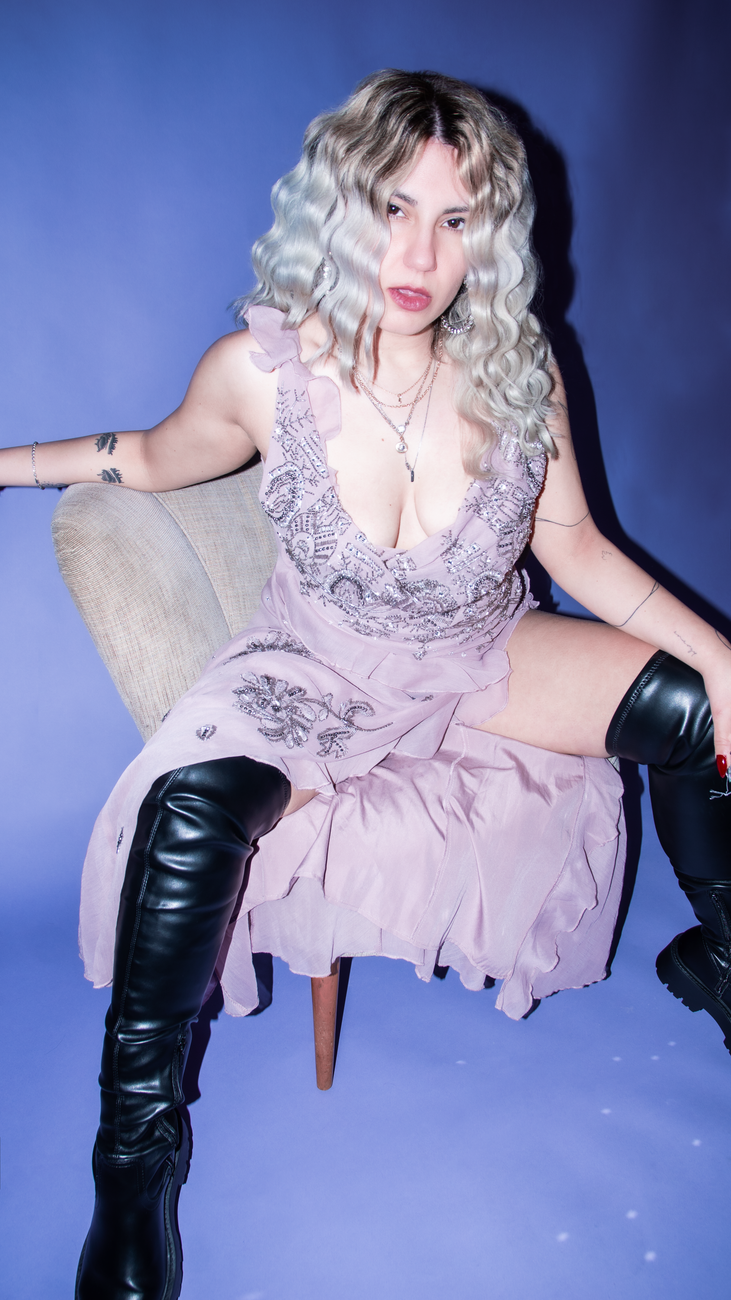
At this, she tells me she wants to give her mother great thanks. “My mom and grandmother raised me while my dad was away, and growing up with those women was a blessing. My motivation to leave Serbia was mainly in the hope of a better quality of life and education. I couldn’t get that where I was.”
That eventual move took 11 years. By then, her parents had separated. In February 2010, a month before her 16th birthday, she took the bus to Hamburg with her grandmother. Her father, who worked 3 jobs to bring her over, waited at the bus stop.
“I think I only understood much later everything my parents sacrificed for me.”
Tell me about life in Hamburg.
She spent two years in an integration class and remembers it warmly.
“We were this colourful mix of stories and experiences, all kinds of stories about how people make it to Hamburg.” She nearly seems to laugh at this: “And all those experiences had actually made us grown-ups.”

She went on to study media production at SAE Institute and worked throughout her studies.
“I immediately got a job as a graphic designer and tried to push through the industry as fast as I could. All for my dream of being a TV producer and show host.”
After graduating in 2019, she got a job at Studio Hamburg, one of Germany’s biggest TV production companies. She liked her boss and small team, but the larger company felt oppressive: “The top floors were all white, mostly men,” she says. “The women worked their asses off, but they were underpaid.”
Most of her pitches went nowhere. Her pitches were “youth-oriented and out-of-the-box” and the people in charge “never wanted to take risks and trust their younger co-workers to know their way around the online world.”
The message we heard as women was always the same. It was like: we need you. Your job is important. But not that important. Please don’t do too much.
When did you start DJing?
Until 2018, “going out” meant going to clubs playing pop music, where she could sing along. “You don’t get in without high heels, and men slap your ass,” she says. She muses how gross this behaviour is now, but at the time, it was normalised and accepted as a standard part of those spaces.
One day, a boyfriend who produced electronic music took her to her first rave. “Until then, I thought techno and goa were the same,” she says. “House music wasn’t even a concept to me.”
At the club, she stood close to the DJ booth and studied the equipment.
I noticed those are buttons. I didn’t know what they do, but I wanted to see what they do.
She discovered Solomun, the Bosnian-born DJ who was one of the biggest names in house music at the time. She thought it was cool that he was “someone from my corner of the world.”
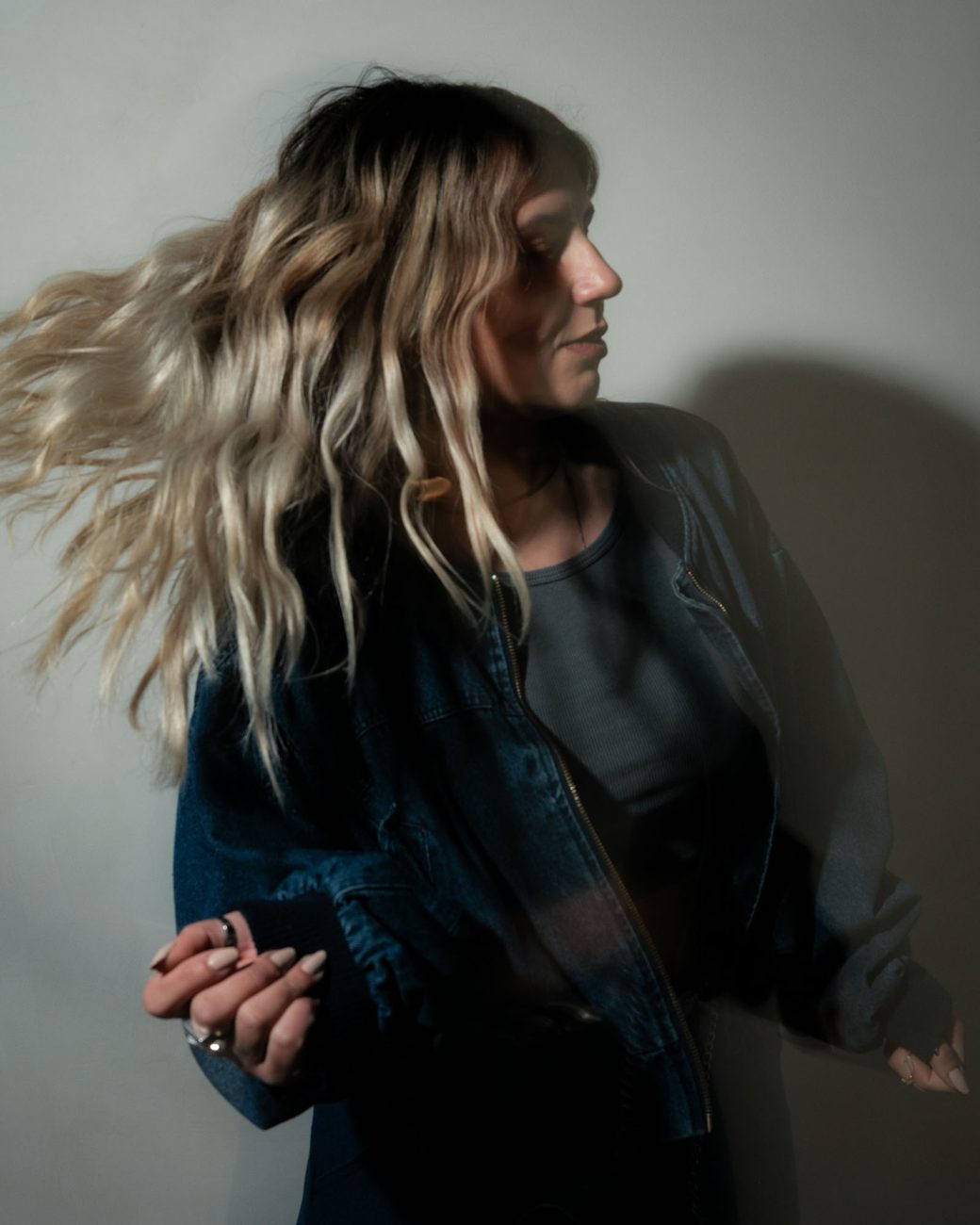

In 2019, she and her boyfriend separated, but her fascination for the subculture of electronic music stayed. She began designing flyers for Niko, a Hamburg DJ who played at the time under the name Lasaré, and soon was helping him run all his regular party series, one of which was EINMOMENT, a house and techno party.
These events happened throughout 2019 and 2020 at PAL, a well-known electronic music and techno club in Hamburg. This was just before Corona. “He accidentally became my mentor,” she says of Lasaré. When possible, she stood in the DJ booth. “I really wanted to stand behind the DJ and see what they were doing.”
The genres of house and techno also showed her something new to her: that women had a place in this music.
I never saw a FLINTA* DJ until I discovered house and techno.
But eventually it became too much. She worked at Studio Hamburg in the day, threw parties at night, and still did photography on the side.
“I was overworked,” she says. Then, in Corona, Studio Hamburg cancelled her contract, and she fell into a depression. Without a job, she started practicing music on a Traktor S4, a DJ controller, a piece of machinery that a friend had lent her.
I’d lost my job. I wasn’t doing well. I had to do something that made me happy. DJing was my liberation.
She started learning Ableton, the music production software. Her first DJ gig came in 2022, shortly after clubs reopened.
“I never planned to DJ in a club,” she says. “That was the last thing in my mind.”
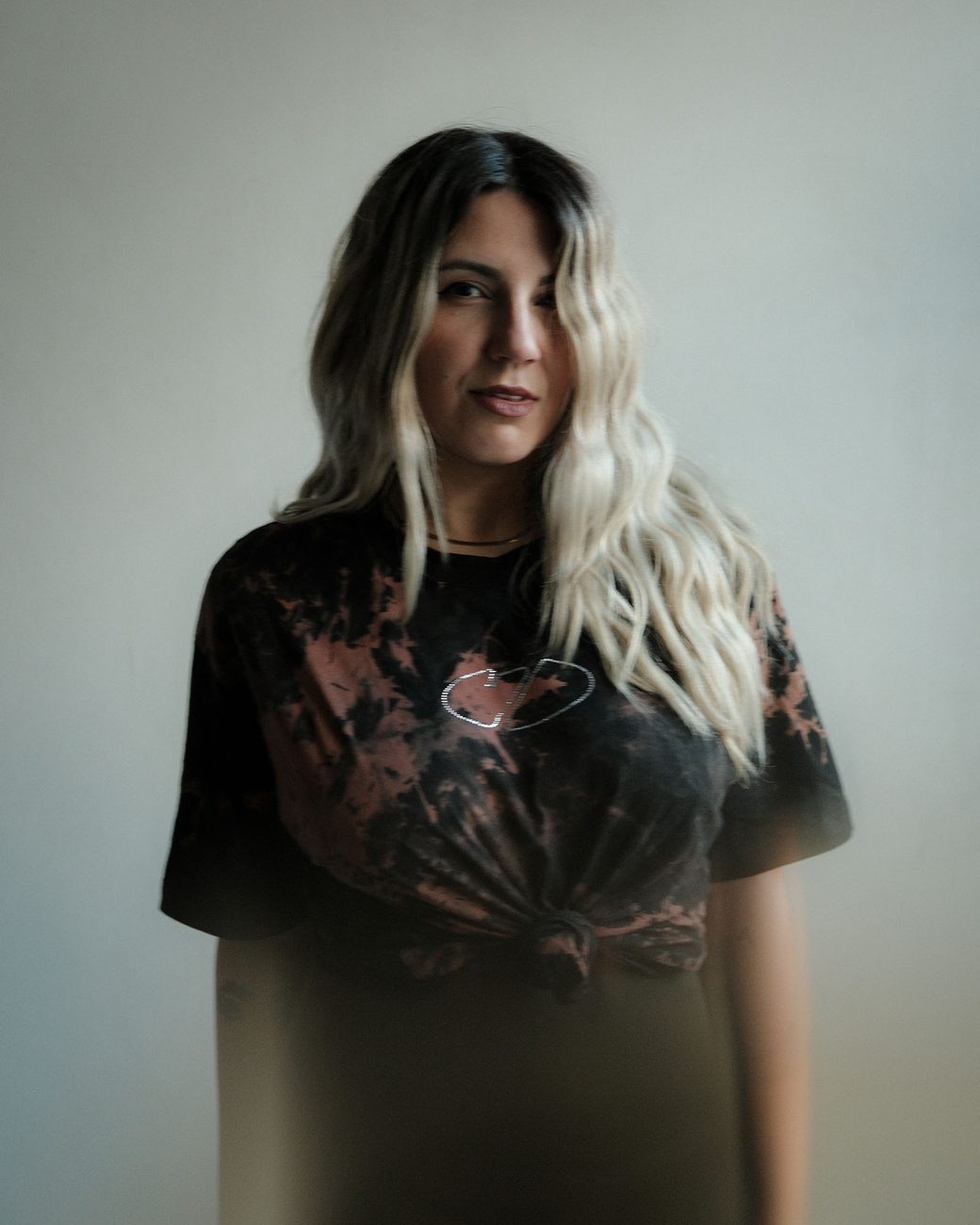
Near the end of her first set, she noticed who was watching: the men watched her hands.
Reflecting on this, she muses on how people often respond to women DJs. “Is the sync button on?” is a question she heard in the booth again and again, always with women DJs. “But as soon as a dude is behind the decks, nobody questions anything.”
Tell me about INTERFERENZ.
After 2 years of closed clubs, she wanted to bring people back. “Nobody knew who was doing what,” she says. “It was the big reshuffle.”
With Niko and some friends, she started INTERFERENZ, a networking event with a series of panels, a podcast, and bar nights and club showcases for DJs and club workers in Hamburg.
“I’ve realised that people in Hamburg were really bad at celebrating each other. Our idea was that if you know each other better, you’ll grow closer.”
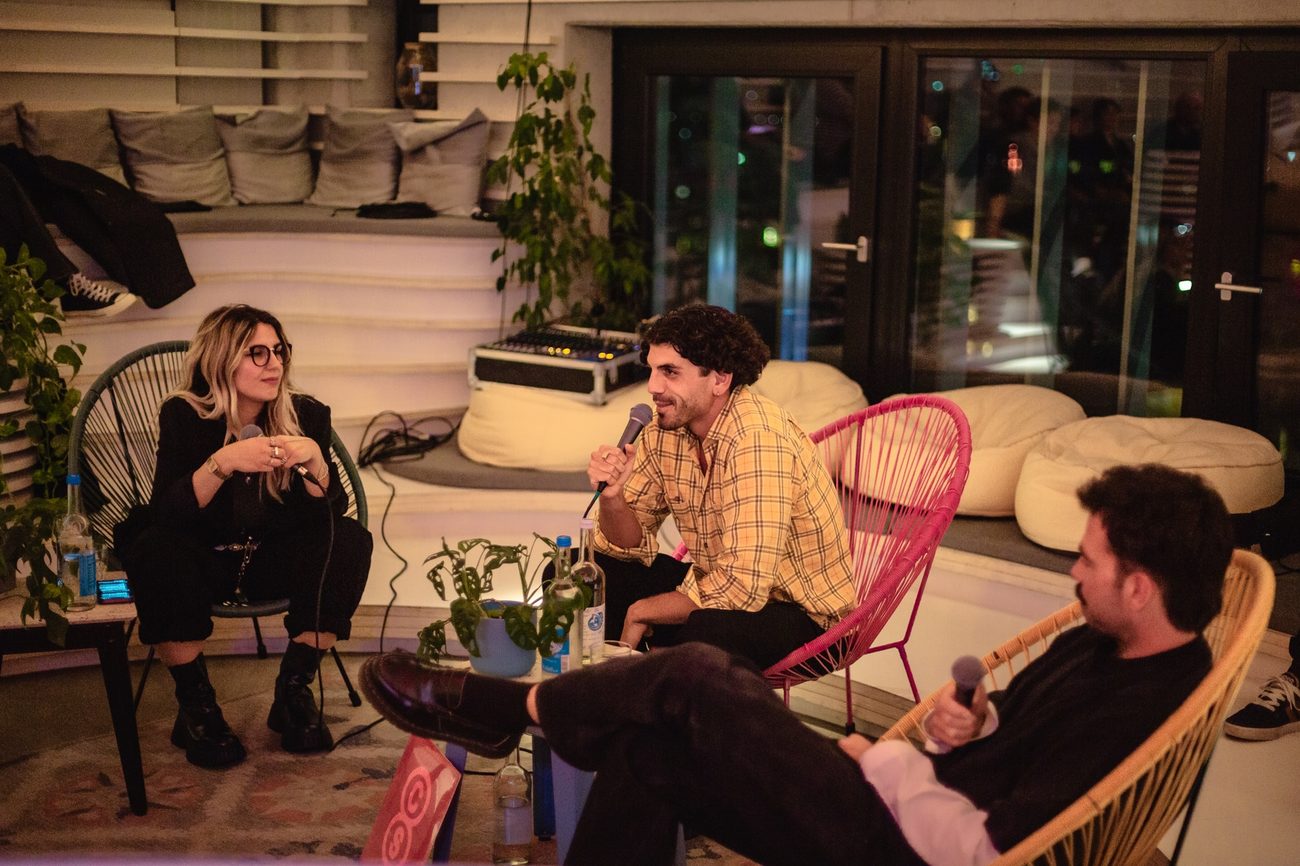
At one INTERFERENZ panel, the collective crew.port, a queer-feminist DJ and event collective, brought up the topic of endometriosis, a chronic, often brutally painful condition affecting people with uteruses that doctors still routinely dismiss. For this panel, Berlin-based DJ Baerbel moderated.
At this event, MARGO realised something special was happening. Here was a topic that rarely came up among male DJs. “Like, hey, there are women behind the decks too,” she says. “And we have issues sometimes. So we need to talk about this.”
What made you finally decide to release your own music?
She started producing in the pandemic, but for years, something held her back. “This insecurity block kept saying that I’ve never produced, so why start?”
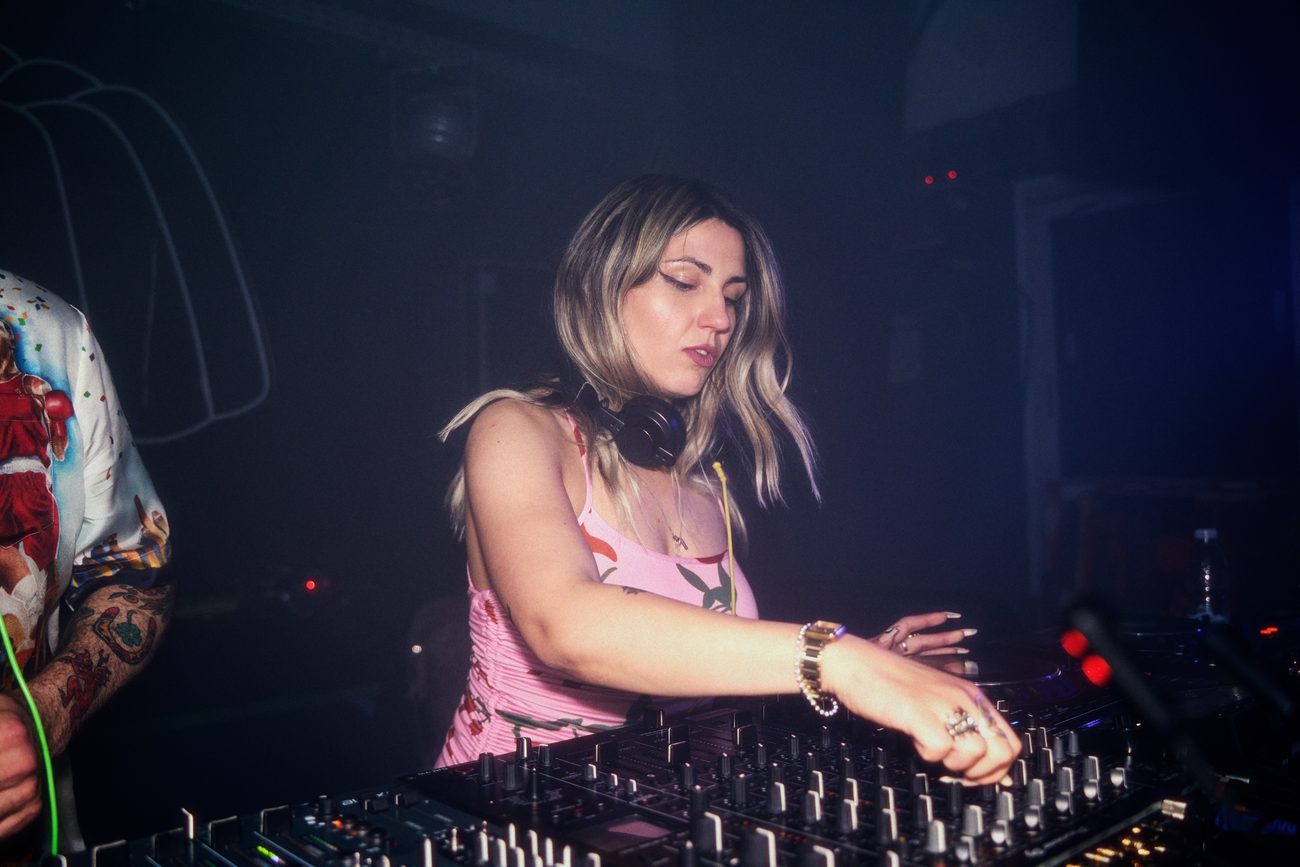
The push finally came at an afterparty following a Café Soda event. She asked CRYME, a Berlin DJ and producer, how he knew when it was time to release his own music. His answer, as she remembers: “There’s no perfect time to start, but at some point you have to get going.”
It hit hard. “Like a slap in the face,” she says. “You have to just do it.”
She told him she would send him some music, but ended up fussing over it, and waited. Later, when the label OSMIUM asked her for a track for a compilation release, called OSMVA003, she did not overthink it, and the track “Drumtacular Baby” came out in July 2025.
That summer, she ran into CRYME again at Pâvoia, a music festival in western Poland. This time, he asked her directly to send him some work. By this point, CRYME had co-founded SEVEN, the label that runs Hinterhaus, though MARGO knew him from years back:
“I discovered him and played his music way back when he was less known and self-releasing.” Their friendship grew over time, and when they discussed MARGO releasing on SEVEN, it felt right.
In June 2026, “Danca Ritmo”, a track she made with her friend, DJ and producer BRUNA, came out on SEVEN Various Artists 03.
Why Berlin, and why now?
“I never thought I’d move here. The idea was actually a turn-off,” she says, laughing.
But friends were here, among them DJs BODYSHIFT and Ellen Trenn, and they kept telling her to make the move.
Finally, in late 2025, she did an apartment swap with BODYSHIFT, who also booked her to play at Kater, a famous club in Berlin. She says she truly has Ellen Trenn to thank for the move.
“Ellen convinced me to stay for 6 months because she had a spare room, so I could get a feel for the city and see if I’d like to stay full time,” MARGO says.
“It took me less than 2 months to choose Berlin.”
MARGO briefly went back to Hamburg to wrap things up, then officially moved to the capital in May of 2026. “Everyone said, you’re not coming back. Everyone knew. I just didn’t yet.”
Here, she joined the team at PUDDINGS, a new queer party series.
At PUDDINGS, I mostly do post-publishing and editing, but on club nights, I’m the girl for everything.
She tells me that she shares tasks with Kristian (house DJ SIBAST) and BODYSHIFT, the PUDDINGS co-founders. “We support each other. We have each others’ backs.”
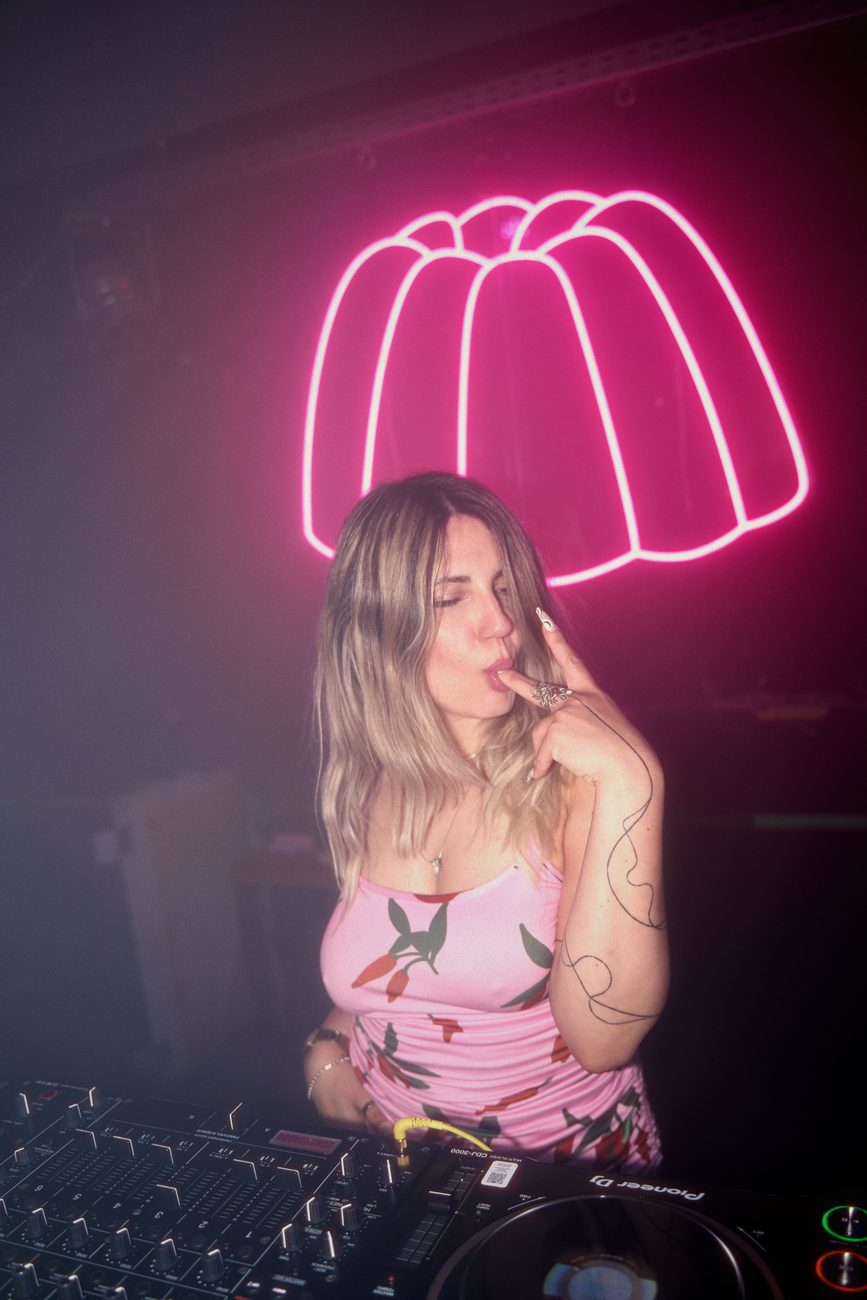
PUDDINGS gave her something else: “The freedom to be myself, to dare, and to think I’m not too much. I just needed the space to breathe.”
Tell me about your upcoming EP.
At a PUDDINGS night last May, when she played B2B with SIBAST, a performer named RAGE danced near the booth, bending “like a rubber band,” MARGO says.
“We immediately connected,” she says. “Our energies matched without words.”
And then I am again that little girl dancing in front of the mirror. I scream along, I sing the songs, I dance, I twerk, I entertain.
Later, she interviewed RAGE for a PUDDINGS video series at Südblock, a queer venue in Berlin-Kreuzberg, and felt really enchanted by RAGE’s voice.
“It’s a melody, it’s a lifestyle, it’s a mantra,” she says. She asked the performer if she could build a track from their voice recording, and RAGE said yes.
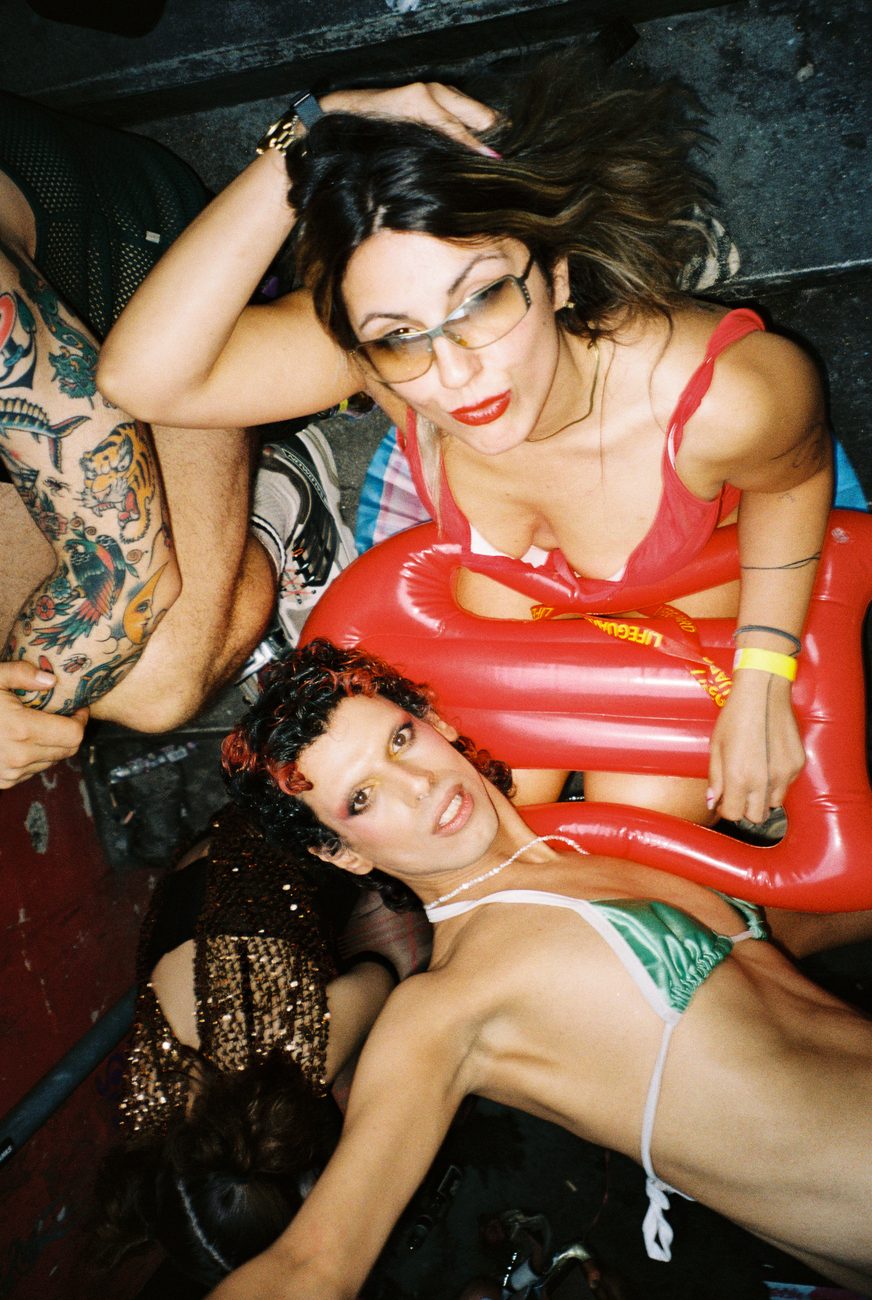
She rushed to finish it in time for BODYSHIFT’s birthday event where she, SIBAST, and RAGE played a B3B: three DJs taking turns at the decks. The very next day, she sent the track to Café Soda, along with the rest of the songs for the EP, and, finally, a title: make you sweat.
The label’s reply was specifically about the song she made with RAGE’s voice. They said: “This track is pure sex.”


The title of the EP comes from how the music feels to her.
These tracks are so loaded with sexual tension. They belong in old, abandoned places where water drips from the ceiling and everyone’s raving.
The EP will come out next month, just a short time after she left Hamburg for a new home in Berlin. I tell her the timing must come with lots of feelings. She nods:
It’s not goodbye Hamburg. It’s a big thank you, I love you, and we’ll see each other again.
When I interview her (remotely, via video call), she’s back in her hometown in Serbia. Early in our call, a tractor rattles by outside, and she laughs about the charms of village life.
What comes next, after this new EP, is still a mystery. “I have no fucking idea,” she says. “But I can’t wait to find out. I’m just going to trust my gut.”
Listen to MARGO‘s music on SoundCloud and Bandcamp follow her on RA and Instagram. Next month, look out for her new EP, make you sweat from Cafe Soda Records.
Carla-Isabella Dunger is a writer at Hinterhaus, a subculture worker, and an aspiring music and culture journalist whose work centers on FLINTA* visibility in the scene. She is co-founder of the FLINTA* Roundtable in Hamburg, organizes events at Golden Pudel Club, and is active as a DJ. Follow her on Instagram.
Edits: Alexander Cheves
Photos: Mara Menzel + photos provided by the artist


